Educate yourself

Portable Mortgages, Explained

Millions of homeowners locked in rates far below today's. A portable mortgage lets you keep that rate when you move. Here's how it works, when it's possible, and what to check first.

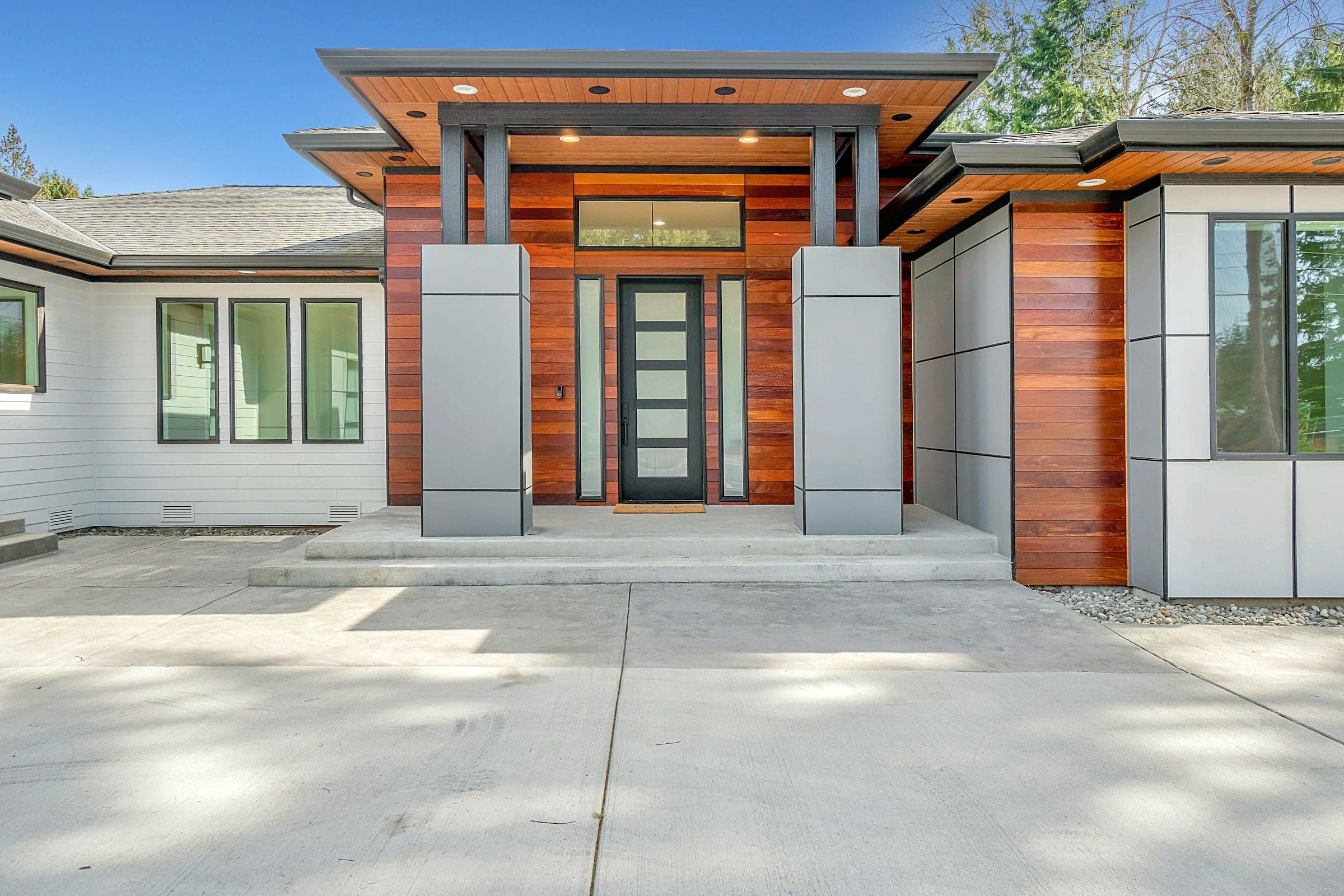
A bright modern single-story home

What is a portable mortgage?

A portable mortgage is a home loan that can be transferred from one property to another while keeping its interest rate, remaining balance and remaining term. You sell your current home, and instead of paying the loan off, the lender moves it onto the new home.

Portability is common in the UK and Canada. In the US it is less common because most mortgages are sold to investors with a fixed property as collateral — but interest in portability has grown sharply as homeowners hold rates far below the current market.

How porting works, step by step

  1. Check your note and lender policy to confirm the loan is portable.
  2. Get an estimate for the new home: balance carried, extra borrowing, blended rate.
  3. Requalify: the lender reviews income, credit and the new property.
  4. Sell and buy within the lender's porting window.
  5. Close: the lien moves to the new home; any top-up is added at today's rate.

What does it cost?

Checking with us is free. Lenders that port loans may charge an application or processing fee, an appraisal on the new home, and normal closing costs on any extra borrowing. If the new balance is smaller, check for any prepayment penalty on the amount repaid.

Portable vs. assumable mortgages

Portable mortgageAssumable mortgage
Who keeps the loan?You, the borrower, move it to your next homeA buyer takes over the seller's loan
Which home?Your new homeThe seller's existing home
Common US loan typesRare; lender-specificFHA, VA, USDA
RequalificationYesYes, for the buyer
Rate on extra borrowingToday's rate (blended or split)Buyer funds the gap with cash or a second loan

Is it worth it?

Rule of thumb: the bigger the gap between your rate and today's rate, and the larger your balance, the more keeping your rate is worth. On a $400,000 balance over 30 years, principal and interest is about $1,741 a month at 3.25% versus about $2,661 at 7.00% — roughly $920 a month.

But the whole move has to add up — fees, the rate on any top-up, and the remaining term all matter. That's why we lay out the full comparison before you decide.

Next steps

Start a free portability check. It takes about 6 minutes, and a licensed broker will reply within one business day.

Start my free check

This guide is general information from Morgo, not legal or financial advice and not a loan offer. Portability depends on your loan terms and lender approval.

Portability by kind of move

Common questions

What is a portable mortgage?

A portable mortgage is a home loan you can move from the home you sell to the home you buy, keeping the same interest rate, remaining balance and remaining term, instead of paying it off and taking out a new loan at today's rates.

How does it work?

Tell us about your current mortgage and the home you want to buy. We check your loan's terms and your lender's policy to see whether the loan can move, then show you what keeping your rate would look like next to a new loan at today's rates.

Does it cost anything to check?

No. Checking whether your mortgage can move is free. If you go ahead, your lender may charge its own fees to move the loan, and we set those out in writing before you commit to anything.

Can every mortgage be moved?

No. Whether a loan can move depends on its terms and on your lender's approval, and most US home loans written so far were not set up to be portable. That is the first thing we check. If yours can't move, we walk you through the alternatives, such as an assumable loan, a recast or a bridge strategy.

What if my new home costs more?

Where a lender allows a loan to move, the balance you carry over usually keeps its rate and anything extra you borrow is priced at today's rate. Some lenders blend the two into one rate and others keep them as separate parts. We show you both before you decide.

Do I have to qualify again?

Yes. Expect your lender to review your income, your credit and the new property, much as it would for a new mortgage. That is why our application asks for your Social Security number: it lets a licensed broker run a credit check with your permission.

How is this different from an assumable mortgage?

With a portable mortgage, you keep your own loan and take it to your next home. With an assumable mortgage, a buyer takes over the seller's existing loan on the home they are buying. FHA, VA and USDA loans are commonly assumable; portability is rarer in the US.

How do you protect my Social Security number?

Your SSN is encrypted in your browser before it is sent, using RSA-OAEP 4096-bit public-key encryption wrapping an AES-256-GCM key. Our website and database only ever hold the encrypted value. The private key needed to read it is kept offline and is only used by a licensed broker to process your application.

The database is configured so the public website can only add applications — it cannot read, change or delete them.